Northpark Overpass Groundbreaking Announced

Today, Houston Mayor Pro Tem Dave Martin announced the groundbreaking for the Northpark Drive Overpass Project. Weather permitting, it will happen Thursday, April 13.

It took months to acquire right-of-way for the project. Northpark Drive will expand from four lanes to six. And it will include a bridge over Loop 494 and the Union Pacific Railroad Tracks.

Simulated YouTube video driving from I-69 to the Kingwood Diversion Ditch along Northpark Drive

Groundbreaking During Mobilization

The Lake Houston Redevelopment Authority (LHRA)/Tax Increment Reinvestment Zone 10 Board has awarded a contract to Harper Brothers Construction for the project.

The ceremonial groundbreaking will actually happen during the mobilization phase. In coming weeks, residents can expect to see the contractor pre-positioning equipment, supplies, and materials for construction.

Finally, an Elevated Evac Route over Railroad

The Northpark Drive Overpass Project will alleviate congestion, enhance accessibility, and increase safety in the Kingwood area. The 2015 Kingwood Area Mobility Study, commissioned by TIRZ 10, concluded this project is critical to ensuring public safety.

Local leaders have worried for years about evacuating Kingwood in the event of a natural disaster or chemical spill during a derailment, similar to those that have made headlines around the country lately.

The first phase of this project will go from I-69 to the Kingwood Diversion Ditch

Project extent map provided by City.

A second phase, not yet approved, will extend to Woodland Hills Drive and include elevated bridges over the Diversion Ditch and Bens Branch.

Each phase will take approximately two years, according to the LHRA. Work will begin near I-69 and move east. The City is only breaking ground on the first phase at this time.

The project promises multiple benefits:

  • Better traffic flow, less congestion
  • Improved emergency access/egress.
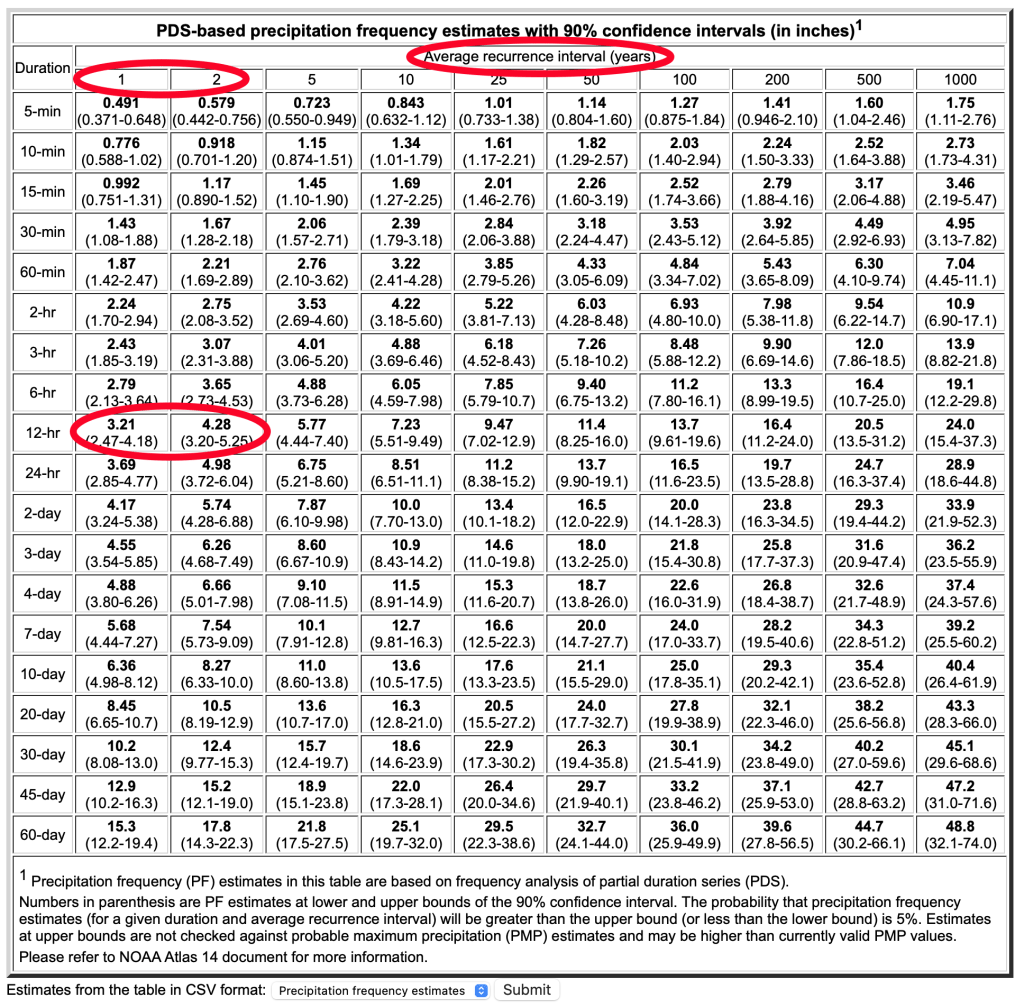
  • Improved drainage that meets new post-Harvey Atlas-14 requirements.
  • Wider pedestrian walkways.
  • Enhanced lighting and landscaping.
  • Elimination of center ditch.

TIRZ Meetings Open to Public

Safety Considerations during Construction

Once construction commences, please be aware of flagmen and orange traffic cones that will be put in place on-site to help with traffic flow through the construction zone as the project may require a one-lane closure. Two-way traffic will be maintained at all times. Businesses and residents will have access to driveways and sidewalks at all times and may experience an increase in noise levels due to trucks and equipment in the area.

For a detailed traffic plan during construction, residents can view the plans here (pages 43-163).

As a reminder, TIRZ Board meetings are open to the public and held on the second Thursday of each month at 8:00 a.m. Visit the LHRA website for more information on the Northpark Drive Overpass Project and view the 2023 Board of Directors Calendar.

Please contact the District E office by phone at (832) 393-3008 or by email at districte@houstontx.gov with any questions or comments.

Posted by Bob Rehak on 4/6/2023

2046 Days since Hurricane Harvey

Rainfall Predictions Increasing, City Lowering Lake Houston

New forecasts that show higher than previously predicted rainfall amounts for the next three days have caused the City to begin lowering Lake Houston.

Widespread 3-6 Inches Expect, Higher Isolated Totals

All week long, meteorologists have predicted heavy rains starting on Wednesday, 4/5/23, through Friday, 4/7/23. This morning, guidance from Harris County Meteorologist Jeff Lindner indicated that the rainfall could be even heavier than previously predicted. Instead of widespread 2-4 inches, Lindner now predicts widespread 3-6 inches. Last night, ABC13 predicted up to a foot of rain in isolated places, especially north and west of US59, i.e., the San Jacinto Watershed.

Three day totals predicted by the National Weather Service on 4/5/23

Lake Lowering Began at Noon

As a result, the City of Houston began lowering Lake Houston today at noon.

According to Mayor Pro Tem Dave Martin, Houston Public Works, Coastal Water Authority, and San Jacinto River Authority have worked together closely over the last 24 hours to monitor local forecasts. Based on this morning’s forecast within the San Jacinto Watershed, the City decided to open the floodgates on the Lake Houston Spillway Dam.

Property owners should make arrangements to secure boats and other items along the shoreline.

City of Houston

Houston Public Works will keep the flashboard and tainter gates open throughout the inclement weather and Coastal Water Authority will continue storm operations allowing the inflow to pass through Lake Houston until the weather threat concludes.

SJRA NOT Lowering Lake Conroe Level

SJRA has confirmed they will NOT lower Lake Conroe. This will maximize the City of Houston’s lake-lowering efforts.

Atmospheric Squeeze

An approaching low-pressure system from the northwest will stall when it encounters a high-pressure system over the Gulf.

The two fronts will funnel moisture from both the Pacific and Gulf between them. That’s because in the Northern Hemisphere, high-pressure systems rotate clockwise and low-pressure systems rotate counterclockwise. So atmospheric moisture will be squeezed between them along a steady line for days. Think of meshed gears.

Because of dry grounds, moisture that falls during the first day will likely soak in. But after that, runoff rates will increase.

The areas receiving the most rainfall will likely be north and west of Houston, because that’s where the frontal boundary will likely linger longest.

Flooding Outlook

Street flooding will be a concern through Friday. 

Says Lindner, “Smaller creeks, rural watersheds, and San Jacinto River system will be the most vulnerable to higher run-off flows. While widespread creek and bayou flooding is currently not expected, some watersheds may experience significant rises and a few locations potentially to flood levels. Any sustained training of heavy rainfall over any certain watershed for an extended period of time could result in flooding. It will be important to monitor rainfall amounts and locations through the period for any significant watershed responses.

Watch the following watersheds closely: Willow Creek, Little Cypress Creek, Cypress Creek (and Waller County tributaries), Spring Creek (and Montgomery/Waller County tributaries), Bear Creek, South Mayde Creek, Cedar Bayou, East/West Forks of the San Jacinto River, Keegans Bayou, Clear Creek, Halls Bayou.  

For Current Information 24/7

Bookmark these links to monitor weather and lake conditions, especially if you live in low-lying areas with a history of flooding:

Posted by Bob Rehak on 4/5/2023 at Noon

2045 Days since Hurricane Harvey

Woodridge Village Excavation Surpasses 100,000 Cubic Yards

In the four weeks since my last update, Harris County Flood Control District’s (HCFCD) contractor has excavated another 11,000 cubic yards of dirt from Woodridge Village. That means Sprint Sand and Clay has removed a total of 104,000 cubic yards since it started work under its Excavation and Removal Contract a little more than a year ago.

Sprint is removing the dirt from what will become a sixth stormwater detention basin on the former Perry Homes site. The lack of adequate detention capacity on the site contributed to flooding hundreds of homes in Kingwood twice back in 2019, before HCFCD purchased the property.

New Excavation Already Second Largest on Site

Already, at 62 acre feet, the new basin ranks as the second largest stormwater detention basin on the 268-acre site. Woodridge Village’s five original basins had the following capacities:

  • N1 = 13.2 acre feet
  • N2 = 154.7 acre feet
  • N3 = 42 acre feet
  • S1 = 18.6 acre feet
  • S2 = 42.5 acre feet

The new detention basin could more than double capacity on the site. Ultimately, it will exceed Atlas 14 requirements.

Here’s where the original five are located.

Locations and sizes of first five stormwater detention basins shown in blue.

The new basin will go between N2 and S1.

Woodridge Village Excavation and Removal
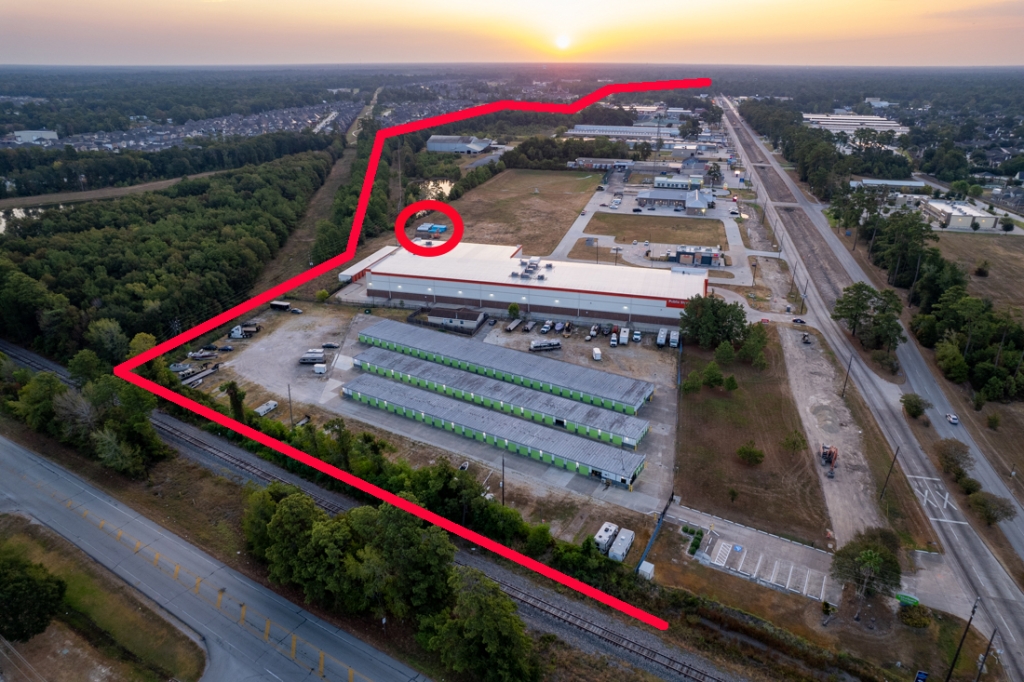
Location of new basin outlined in red.

Progress by the Numbers

The 11,000 cubic yards excavated in the last 28 days averages 2,750 cubic yards per week. That’s an increase of 220 cubic yards per week compared to the previous month. It’s also 1,000 cubic yards per week more than the weekly average since the start of the contract.

The current monthly rate more than doubles the minimum required under Sprint’s contract.

The excavation of 100,000 cubic yards marks yet another milestone. Sprint has now removed more than 20% of the 500,000 cubic yards allowed under the contract.

February vs. March Photos

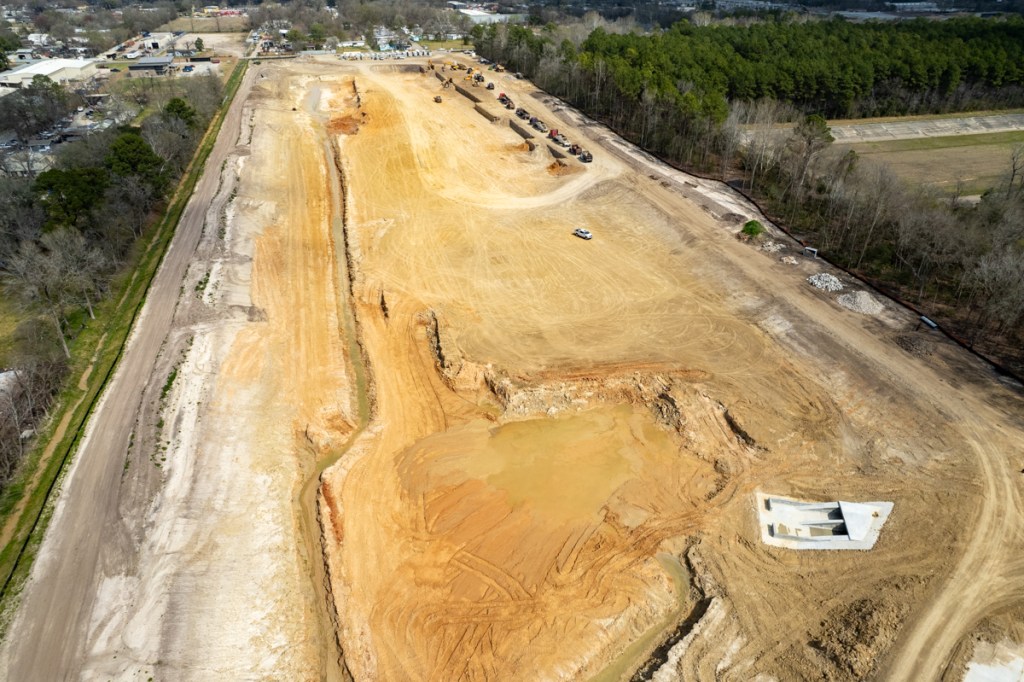
To get a feeling for just how much 11,000 cubic yards is, compare these photos taken at the ends of February and March.

Extent of excavation for new Woodridge Village Detention Basin as of 3/5/23
End of February
End of March: excavation stretches much farther into the distance.

A Head Start on Construction

In December 2022, HCFCD revealed the results of its analysis of alternatives to reduce flooding adjacent to Woodridge and Taylor Gully. HCFCD is now working on finalizing those plans.

Excavation and removal contracts give HCFCD a head start on construction while engineers finish plans. This compresses the timetable.

The contract also saves taxpayers money. It gives Sprint the right to remove up to 500,000 cubic yards for a grand total of only $1000. Sprint makes its money by selling the dirt at market rates to home- and road builders. The only restriction: the dirt can’t be placed in the floodplain.

Posted by Bob Rehak on 4/4/2023

2044 Days since Hurricane Harvey

The thoughts expressed in this post represent opinions on matters of public concern and safety. They are protected by the First Amendment of the US Constitution and the Anti-SLAPP Statute of the Great State of Texas.

Up to 6″ of Rain Possible by Weekend

The second half of this week will likely be very wet. The National Weather Service’s (NWS) Weather Prediction Center forecasts widespread rain totaling 4″ with isolated areas getting 5- 6″ between Wednesday and Sunday.

Seven-day forecasted rain totals, predicted as of Monday morning 4/3/2023.

However, the rain will come in several waves and be spread out. The sporadic nature of the rainfall plus dry ground will minimize the risk of flash flooding. But some forecasters are already warning of possible street flooding, especially where storms cluster or train.

Timing of Rainfall

An upper level storm system will slow and eventually stall over the Houston area from Wednesday-Saturday. Scattered showers and thunderstorms will accompany the frontal passage on Wednesday.

As the front slows and lingers just off the upper Texas coast, both the Gulf and Pacific will feed moisture into our area along the boundary. Moisture values will approach the maximum levels for early April by Thursday and Friday.

As the cold front transforms into a coastal trough along the coast or just inland, periods of widespread showers and thunderstorms will be possible Thursday and Friday.

Given the stalled system, repeat cell training will be possible which may quickly produce areas of heavy rainfall.

Jeff Lindner, Harris County Meteorologist

Runoff Will Increase As Ground Becomes Saturated

While it will not rain the entire period, several rounds of showers and thunderstorms will be likely. Expect 1-2 inches per day. And remain alert for cell clustering or training which could trigger street flooding.

Grounds are now very dry over the region and much of the rainfall should soak in. However, grounds will eventually become saturated and when they do, run-off will increase and so will the risk of street flooding.

Severe Weather Threat Low

At this time, the risk of severe weather remains low. The Weather Prediction Center rates our chances of flash flooding from excessive rainfall at less than 15% for both Wednesday/Thursday and Thursday/Friday. But monitor forecasts closely this week.

Posted by Bob Rehak on 4/3/2023

2043 Days since Hurricane Harvey

Homes Going Up on 600 Acres Along Gully Branch in Splendora

Phases One and Two of two new developments on FM2090, Townsend Reserve and Presswoods, appear to have finished clearcutting and building stormwater retention basins. They are now building streets and homes along Gully Branch, which has been channelized through the developments in Splendora.

More than 1,000 Acres at Buildout

Together, the developments eventually comprise more than 1,000 acres at buildout.

Splendora Developments on 2090

Knock on deadwood. I’ve heard no complaints yet about neighbors being flooded. Please contact me, however, if you have information to the contrary.

Photos Taken on 4/2/2023

The photos below show the first 600 acres. Assuming six houses to the acre, the land you see below could soon hold approximately 3,600 homes.

But according to the Census Bureau, Splendora currently has a population of 1,780 people. And this real estate site says the city has 737 housing units.

So get ready for some change. These two developments could bring 10,000 new residents to Splendora, increasing the population more than 5X.

Looking SE from the midpoint of the two developments across the entry to Presswoods.
Looking S from the same point. Gully Branch is now a drainage ditch that parallels the tree line that bisects the frame from L to R.
Looking SW toward Townsend Reserve along FM2090.
Looking E from over Townsend Reserve toward Presswoods. Note how Gully Branch has been channelized and framed by stormwater retention basins.
Farther east, still looking east toward US59 from over Presswoods.

For People with a Passion for Rural Living

The developments are all south of FM2090 opposite Splendora High School, Junior High and Piney Woods Elementary.

Presswoods seems to be developing faster than Townsend Reserve. DR Horton, the nation’s largest homebuilder is already selling homes in Presswoods. They range in size from 1.400 to 2.300 SF and in price from $220,000 to $300,000.

As I flew over this area today, I couldn’t help but wonder where all these new residents would shop. Splendora has several dollar stores, a small grocery store and some fast food. And growth will inevitably attract more retail. But the nearest major retail center is Valley Ranch, 10+ miles to the south.

Moving to areas like this requires a passion for rural life, a tolerance for long commutes, and a desire to stretch your housing dollar.

New Rainfall Estimates, Old Flood Maps

The drainage impact analyses for these developments are based on Atlas-14, but old flood maps. It’s not clear yet whether Montgomery County intends to update its flood maps for this area or when. The latest drainage criteria manual on the County’s
Engineering website is dated 2019.

Before I bought a home here, I would want to make sure my house was elevated far above street level.

Posted by Bob Rehak on 4/2/2023

2042 Days since Hurricane Harvey

The thoughts expressed in this post represent opinions on matters of public concern and safety. They are protected by the First Amendment of the US Constitution and the Anti-SLAPP Statute of the Great State of Texas.

Laurel Springs RV Resort 14% Occupied; Nephew Izzy Tries to Help

Only 31 of the 226 parking spots at the new Laurel Springs RV Resort appeared occupied today – despite deep grand-opening discounts, a record cold winter up North, and a few saplings planted on the 20+ acres of concrete.

Triangular dog park features one complimentary sapling for male dogs. Railroad tracks in trees in right.
Looking NNW across RV Resort from over Laurel Springs Lane.

Nephew Izzy to the Rescue

Not even Nephew Izzy could understand it. “Uncle Bob, they don’t even have oil spots on the pavement yet! And look at all the privacy you could have.”

Izzy is a connoisseur of trailer and RV parks. He and his new girlfriend, Wanda June, a dancer down at the Crystal Pistol, grew up in them.

I asked, “Ya think it might have anything to do with trains running up and down those tracks all day and all night long, Izzy?”

“I could have that place filled up by next weekend, Uncle Bob.”

“How’s that?”

“I’d make Wanda June the check-in clerk. She packs them in down at the Crystal Pistol.”

“She does have a way with people. But desk clerks don’t get too many tips, Izzy.”

“I see your point, Uncle Bob. Could cut down on our income.”

Romance of the Railroad and Wide Open Spaces?

“Hey, how about if we give out free Johnny Cash tapes at check in? Capitalize on the romance of the railroad.”

“You mean like Folsom Prison Blues?”

“Yeah, that’s the ticket. Johnny Cash is awesome.”

“Did you ever listen to the lyrics, Izzy?”

“I just hum along.”

When I hear that whistle blowin’, I hang my head and cry,” I sang.

“Hmmm. Maybe not the perfect choice,” said Izzy. Then brightening, “I know! I’d sell ‘Wide Open Spaces!'”

“Well, they certainly have lots of those.” A big pause.

“What’s wrong, Uncle Bob?”

“Do you think that will cause people to ask why no one’s there?”

“Maybe free hearing protectors?” asked Izzy without much conviction.

I guess I didn’t enthuse enough.

Izzy Has Second Thoughts For First Time in Life

“I think I better sleep on this, Uncle Bob”

“I think you better keep your job down at the Crystal Pistol, Izzy.”

Posted by Bob Rehak on 4/1/23

2041 Days since Hurricane Harvey

The thoughts expressed in this post represent opinions on matters of public concern and safety. They are protected by the First Amendment of the US Constitution and the Anti-SLAPP Statute of the Great State of Texas.

Kingwood Drive Repairs Extended West

This is off topic but it affects thousands of readers. Today, Mayor Pro Tem Dave Martin announced that Kingwood Drive repairs will be extended farther west to Royal Forest beginning Monday, April 3.

The repairs began at Green Oak on March 20. Crews reached Chestnut Ridge today, March 31.

Houston Public Works will replace additional concrete panels in the westbound lanes of Kingwood Drive from Chestnut Ridge to Royal Forest beginning next week.

Repair work should finish by Monday, May 15, weather permitting.

After the contractor completes panels in the westbound lanes, construction will then shift to the eastbound lanes.

Westbound lanes under repair from April 3 to May 15

Allow extra time when traveling through this area or take an alternate route.

Work Hours

Kingwood Drive repairs will take place Monday through Friday from 8:00 a.m. to 5:00 p.m. and Saturday from 7:00 a.m. to 12:00 p.m.

Exercise Caution

Flagmen and orange traffic cones will help with traffic flow through the construction zone as the project will require a one-lane closure. Two-way traffic will be maintained at all times. Likewise, businesses and residents will have access to driveways and sidewalks at all times, but may experience an increase in noise levels due to trucks and equipment in the area.

The cost of the Kingwood Drive repairs is $160,000 and is funded with Mayor Pro Tem Martin’s Council District Service Funds.

For more information, please contact Mayor Pro Tem Dave Martin’s office at (832) 393-3008 or districte@houstontx.gov.

Posted by Bob Rehak on 3/31/23 based on a press release by Houston District E

2040 Days since Hurricane Harvey

$750 Million Flood Plan Ignores Flood Risk, Public

Twenty-two months after learning it would receive $750 million from the US Dept. of Housing and Urban Development (HUD) and the Texas General Land Office (GLO) for Harvey Flood Mitigation, Harris County Commissioners finally approved a Method of Distribution (MOD) for the money on 3/14/23.

The MOD must be approved by the GLO and HUD before the county can begin spending the money. However, the plan virtually ignores flood risk and public comments.

What Happened to Flood-Risk Reduction?

The basic purpose of the HUD money, administered by GLO, is to reduce flood risk. The word “risk” appears 490 times in the MOD submission. Only one problem!

The proposed project scoring matrices never mention “risk,” at least not directly.

The plan contains one scoring matrix for Harris County Flood Control District (HCFCD) Projects and another for Partnership Projects.

HCFCD Projects

For the portion of the money going to the Harris County Flood-Control District, the MOD bases funding on:

  • LMI (Low-to-Moderate Income) Population Percentage (35 points)
  • Social Vulnerability (30 points)
  • Population (15 points)
  • Repetitive Flood Loss (20 points)

Unfortunately, giving weight to damages as opposed to risk, gives the same weight to areas that have already been mitigated as it does to areas that have not received a penny.

The MOD also says distribution of flood-control funds will be governed by the Equity Prioritization Framework (even though it doesn’t explain how). The 2022 version of that Framework gives 20% weight in scoring projects to “Existing Conditions.” Existing Conditions refer to the capacity of a channel to manage flood events of different intensities. But that’s as close as the MOD comes to addressing flood risk in project scoring.

Watersheds with a majority LMI population have roughly a billion dollars worth of uncompleted 2018 flood bond projects. With roughly a half billion of the $750 million going to HCFCD, the LMI and SVI requirements put on that portion of the money virtually guarantee that none will be left for more affluent watersheds.

So even though HUD and GLO rules allow 50% of the money to be spent in more affluent watersheds, the criteria adopted by Commissioner’s Court will likely preclude any of the money going there.

Partnership Projects

The portion of the money going to Partnership Projects has slightly different criteria. But that matrix also includes NO references to flood risk. It scores projects based on:

  • Project Readiness (20 points)
  • Percent LMI Population (25 points)
  • Project Efficiency (cost per person and building benefitted) (20 points)
  • Ancillary Benefits (environmental, economic, quality of life) (10 points)
  • Partner Contribution (25 points)

Nowhere did the plan provide direct comparisons of flood risk so that areas with the highest risk could be addressed first. Neither did the plan address flood severity. Thus, areas already mitigated that got one inch of flooding will rank as high as unmitigated areas that got 20 feet.

worst first
Chart showing feet above flood stage of 33 gages of misc. bayous in Harris County during Harvey.

Virtually No One Happy

The Harris County Community Resilience Flood Task Force submitted a letter strongly prioritizing flood-risk reduction. That got ignored as were most of the 235 pages of other public comments submitted.

Virtually no one seemed happy with the plan or the fairness of the distribution of money.

The county did not bother to respond directly to those who took the time to study the plan and submit comments. However, it did provide responses within the plan itself.

To paraphrase one of the generic responses: “Thank you for your comment. Here’s what we’re going to do. The GLO encourages regional and countywide investments in flood mitigation. But we’re prioritizing population in low income and socially vulnerable areas.”

Typical comment and response to proposed MOD. Name of commenter redacted.

Harris County has already spent $1.7 billion on flood mitigation since Harvey – the vast majority of it in LMI areas. There’s no hint of spreading the $750 million around to other areas.

Transparency Issues Also a Problem

The Harris County Community Services Department (CSD) will manage this money. But CSD has a serious transparency problem.

  • The transparency portion of its website hasn’t been updated in six months.
  • The MOD portion of the website hasn’t been updated for six weeks, even though much has changed since then.
  • Potential partners have complained about being in the dark.
  • Two weeks ago, the interim director promised to put out a call for partner projects. But the website still hasn’t announced the opportunities yet.
  • CSD still has not posted the plan approved by commissioners.

CSD’s lack of transparency was a major theme in the hundreds of pages of public comments.

What Next for Flood-Bond Projects in Outlying Areas?

With virtually all of the HUD money going to LMI areas, and with not enough money left in the flood bond to finish all the projects, Judge Lina Hidalgo and Commissioners Rodney Ellis and Adrian Garcia owe us an explanation. How do they intend to fulfill the County’s promise to voters who approved the 2018 Flood Bond thinking they would get something out of it?

Posted by Bob Rehak on 3/29/2023

2038 Days since Hurricane Harvey

Three Flood-Mitigation Best Practices That Could Help Houston Region

On 3/22/23, I attended a lunchtime seminar on flood-mitigation best practices hosted by FEMA Region 3 (Philadelphia, Baltimore, Washington DC). The topics covered included building hazard-mitigation plans, resiliency hubs, and flood awareness programs.

The seminar showed dozens of excellent thought-provoking ideas – too many to list in one post. But three in the last category (awareness) really jumped out at me. I will share them below.

It Was How Deep!

This bright display below in a little pocket park shows the depth of flooding during historical and statistical (i.e., 100-year and 500-year) floods. The historical floods go back to 1937.

Image courtesy of FEMA

That will certainly keep people from forgetting.

How Deep Could It Get at My Home or Business?

Flood Depth Grids are a related idea. They go far beyond the types of flood maps we currently rely on that show flood frequency zones, like the 100-year (1% annual chance) flood zone. These answer the question, “How deep would the water get in a 100-year flood?” In this case, 2.88 feet of water would invade the building shown beneath the pointer.

Image courtesy of FEMA

This gives people additional useful information they can use to protect their homes and businesses from flood losses. For instance, how high do I need to elevate my home? Or how high do I need to elevate critical machinery used in my business? That’s far more useful than just knowing whether you’re in a zone that has a 1% annual chance of flooding.

How Much Damage Could I Expect?

The flood-mitigation best practice took that flood-depth information to the next level. It answers the question, “If we get a 100-year flood, how much damage would it do to my structure?”

The screen capture below shows a highlighted home on the right. The box on the left shows the assessed value of that home. And at the bottom in blue, it shows the estimated damage in dollars to that structure based on a flood that deep.

Image Courtesy of FEMA

Good or Bad for Property Values

Not everyone will like these ideas. Some might say they could affect property values negatively. But they also could affect property values positively. How? By giving people valuable information they need to protect themselves.

For instance, some people may feel they don’t need flood insurance. Two thirds of the people flooded in Harvey felt that way. But seeing those brightly colored markers dangling at the height of a basketball hoop could motivate you to get flood insurance. And that could protect your neighborhood from abandoned, derelict homes like we still see all over Houston five years after Harvey. All said, I’d personally rather know than not know.

These best practices could help in another way, too – by motivating home and business owners to keep up the pressure on political leaders to mitigate flood risk. Going a few years without a flood can lull people into believing their risk has been mitigated when it hasn’t.

Personalizing Risk

Getting a couple feet of water in my house sounds bad. But losing $168,700 dollars in the process really grabs my attention!

If you saved $200 dollars per month, it would take 500 months (41.6 years) to save just $100,000. During that time, you would have a 34.2% chance of experiencing a hundred year flood. Yep! More than one in three! Check out this flood risk calculator by the National Weather Service.

That kind of knowledge makes people think much harder about how much flood risk they take on.

MAAPnext Will Provide Similar Information

Harris County Flood Control District (HCFCD) currently has an ongoing effort called MAAPnext. It will provide similar information to residents in Harris County.

However, FEMA is reportedly still vetting all the LIDAR data and calculations. FEMA should release the new information sometime this year. They will not pin a date down closer than that.

Posted by Bob Rehak on 3/27/23

2036 Days since Hurricane Harvey

Intro to Flooding in Southeast Texas

Jeff Lindner, Harris County’s Meteorologist, has produced an excellent 20-minute video that explains flooding in Southeast Texas and how you can increase your situational awareness during extreme weather events. It’s now on YouTube and is called “Understanding Flooding in Southeast Texas.”

By Jeff Lindner, Harris County Meteorologist

Brief Outline of Video

The video begins with a description of things that make this area unique – namely extreme rainfall on flat topography.

Then Lindner begins by reminding us of extreme rainfalls, such as Tropical Storm Claudette in 1979 which set the U.S. 24-hour rainfall record – 43 inches in one day! To put that in perspective, it took Hurricane Harvey FOUR days to dump 47.4 inches.

Tropical Storm Allison in 2001 dumped 28.5 inches in just 12-hours. It turns out that…

Six of the ten wettest tropical cyclones ever to strike the US mainland struck Southeast Texas!

Jeff Lindner, Harris County Meteorologist
Video is signed for hearing impaired

Then the video:

  • Defines watersheds, describes local watersheds, and explains how water flows throughout Harris and surrounding counties
  • Discusses ponding and sheet-flow flooding, unrelated to watersheds
  • Explains how streets are designed as part of the floodwater retention system
  • Talks about the Harris County Flood Warning System and the distribution of gages in surrounding counties
  • Digs into some of the System’s features, such as Near-Real-Time Inundation Mapping
  • Tells you how sign up for Notification Alerts and explains different types of alerts you can set
  • Reviews the limitations of home insurance and flood insurance policies.

Who Can Benefit from Watching?

Many types of people can benefit from watching this video:

  • People new to the area
  • Young people
  • Anyone buying property or new homes
  • Long-term residents who have had close calls during previous floods
  • Those without flood insurance or those considering buying it.

Regarding insurance, Lindner reminds us that it takes 30-days for flood insurance to go into effect and that you can’t buy flood insurance when there’s a named storm in the Gulf. So the time to buy it is well before hurricane season, which starts on June 1.

It’s also important to remember that flooding can happen in non-tropical storms that occur in virtually any month of the year. Tax Day and Memorial Day storms are good examples. The Tax Day storm dumped 23.5 inches of rain in 12-hours!

Of the 154,170 estimated homes that flooded across Harris County during Harvey, only 36% had active flood insurance policies in place the day before the storm struck…64% did not have flood insurance.

If you think that government disaster relief will make you whole soon after a flood, think again. Five and a half years after Harvey, people are still waiting for aid or in the process of rebuilding their homes.

Posted by Bob Rehak on 3/26/2023

2035 Days since Hurricane Harvey